
SEAGULL HEALTH
Your health,We care!
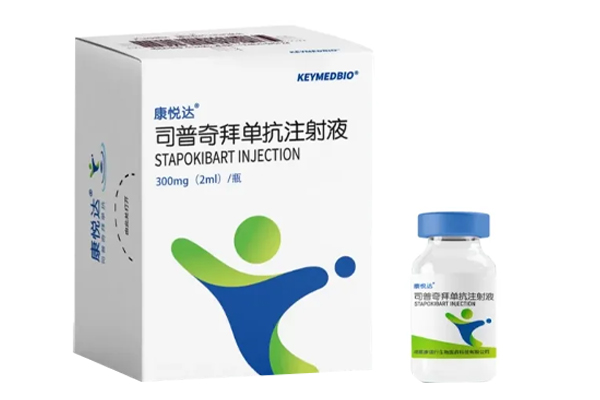
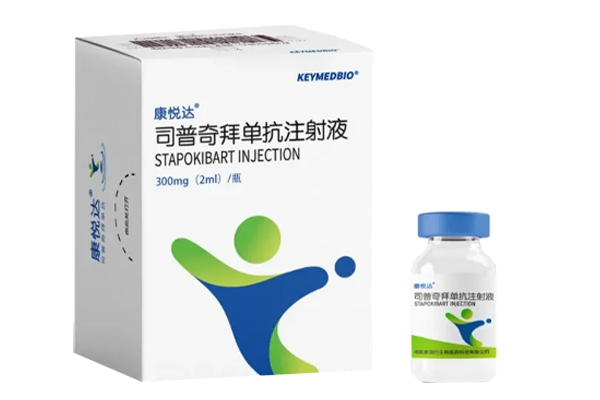
Clinical studies have demonstrated that Sipucimab Injection features the advantages of rapid onset of action, potent and durable efficacy, and low recurrence rate.

 AuthenticGuaranteeFast DeliveryPrivacy
 Sipucimab Injection is the first humanized monoclonal antibody targeting IL-4Rα approved for marketing in China and the second worldwide, with full independent intellectual property rights.
This product is indicated for the treatment of adult patients with moderate-to-severe atopic dermatitis that is inadequately controlled by topical medications or is not suitable for topical therapy.
This product is indicated for adult patients with chronic rhinosinusitis with nasal polyps inadequately controlled by glucocorticoid therapy and/or surgical treatment, for use in conjunction with intranasal glucocorticoids.
Sipucimab Injection should be prescribed by healthcare professionals with experience in the diagnosis and treatment of the indicated conditions.
Atopic Dermatitis
The initial dose of Sipucimab Injection for adults is 600 mg (administered as two separate 300 mg injections), followed by 300 mg administered subcutaneously every two weeks.
Patients who show no response to Sipucimab Injection for the treatment of atopic dermatitis after 16 weeks should be considered for treatment discontinuation. Some patients with a partial response during initial treatment may achieve disease improvement with continued treatment beyond 16 weeks.
Chronic Rhinosinusitis with Nasal Polyps
The recommended dose of Sipucimab Injection for adults is 300 mg administered subcutaneously every two weeks.
Sipucimab Injection should be administered subcutaneously once every two weeks. Injection sites may include the abdomen, thighs, or upper arms, excluding the area within 5 centimeters of the navel.
For the initial dose of 600 mg, two consecutive 300 mg injections should be given at different injection sites.
It is recommended that the injection site be rotated with each administration. This product should not be injected into fragile, damaged, bruised, or scarred skin.
Contraindicated in patients with hypersensitivity to Sipucimab or any other excipients.
In atopic dermatitis and other indications, the most common adverse reactions are conjunctivitis and injection site reactions.
Pregnancy
There are very limited data on the use of this product in pregnant women. This product is a recombinant human IgG4 monoclonal antibody. It is known that human IgG antibodies can cross the placental barrier; therefore, this product may be transferred from the mother to the developing fetus.
In the rat embryo-fetal development toxicity study, at a dose of 150 mg/kg (approximately twice the steady-state exposure at the recommended human dose, based on AUC), hypoplasia of the 3rd sternebra ossification, increased incidence of non-ossified fossa of the 1st thoracic vertebra, and decreased ossification points of proximal/distal phalanges of fingers and proximal/distal phalanges of toes were observed in fetuses. The clinical significance of these non-clinical findings is unclear. In the rat perinatal toxicity study, no maternal toxicity or adverse effects on the growth, development and fertility of offspring were observed at a dose of 150 mg/kg.
This product may be used during pregnancy only if the potential benefits justify the potential risks to the fetus.
Lactation
It is unknown whether this product is excreted in human milk or absorbed systemically after ingestion, but it is known that maternal IgG is present in breast milk. The decision to discontinue breastfeeding or discontinue treatment with this product must take into account the benefits of breastfeeding to the child and the benefits of treatment to the mother.
Fertility
Animal studies have not shown impaired fertility. There are currently no data on the effects of this product on human fertility.
The safety and effectiveness of this product have not been established in patients under 18 years of age.
The age range of exposure to this product currently is 18–74 years old. Population pharmacokinetic (PK) analysis has not identified any clinically significant effects of age on systemic exposure to this product. It is recommended that elderly patients use this product under the guidance of a physician.
For more detailed drug information, please consult the official package leaflet.
If any issues arise, please contact us immediately.
Email:haiousales@gmail.com
Copyright 2024 @ haiouhealth.com All right reserved SEAGULL HEALTH


